Sharp geometry, strong performance
August 21st, 2026
Extrusion technology for busbars and magnet wire
share
busbar / magnet wire
In everyday life it may be a matter of taste, but in vehicle engineering it is rapidly becoming a question that is shaping the future.
Extrusion of rectangular conductors for e-mobility
More and more manufacturers rely on rectangular conductors—especially busbars and magnet wire, which play a central role in modern electric vehicles.
Busbars are flat aluminum or copper conductors used for efficient electrical power distribution. They provide a compact, space-saving alternative to round cables.
Magnet wires, on the other hand, are used in the stators of electric motors, for example in the form of hairpins. Their geometry enables precise, automated winding while increasing power density and overall efficiency.
The challenge: going beyond standard extrusion
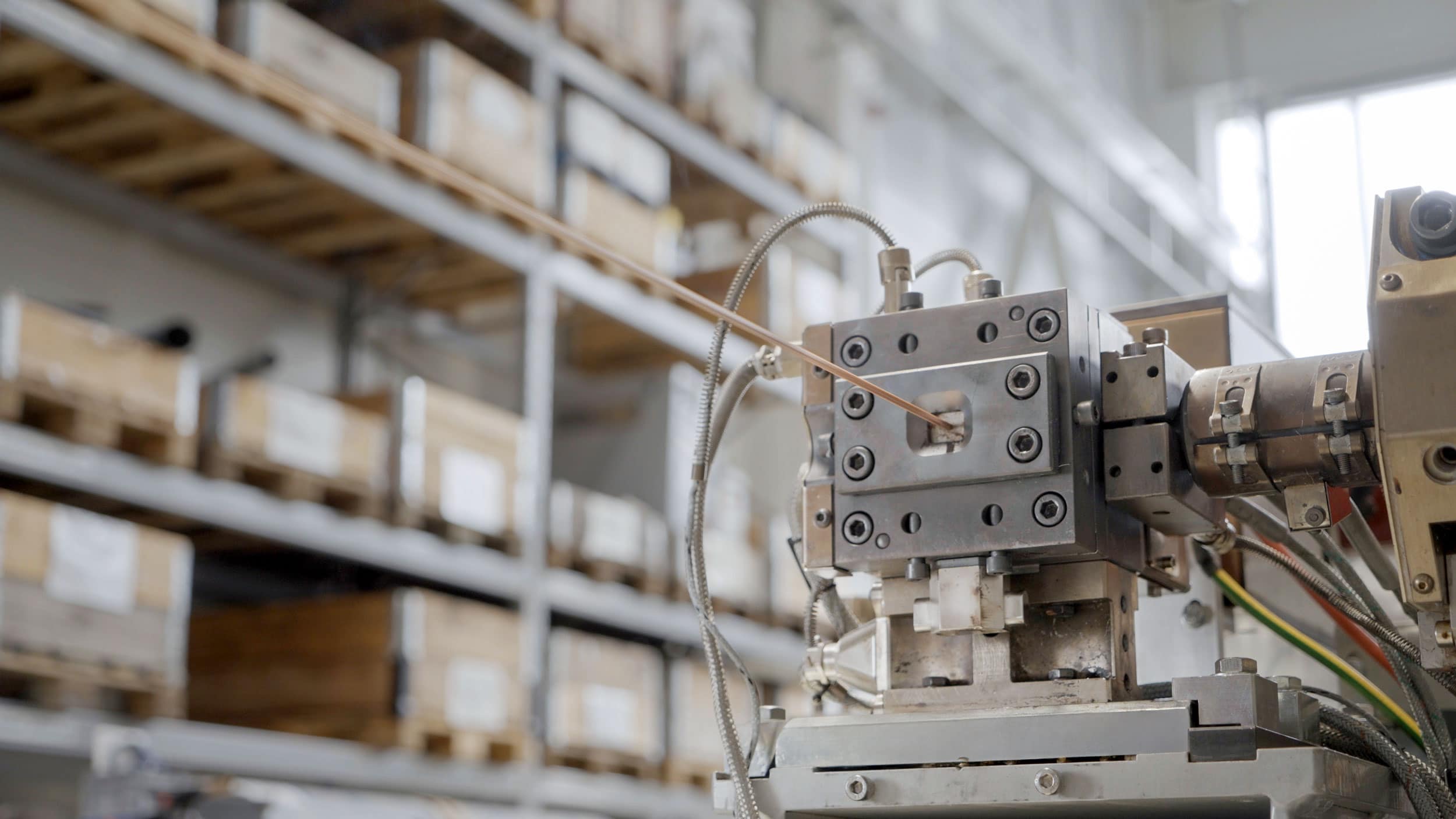
While polymer extrusion around round conductors has been refined in countless variations over the past decades, rectangular profiles place significantly higher demands on the manufacturing process. The most critical challenges include:
- Ensuring uniform and consistent insulation wall thickness.
Even the slightest rotation or lateral movement of the conductor inevitably results in uneven wall thickness distribution of the insulation layer. - Achieving strong adhesion of the insulation—despite mechanical stress and high temperatures.
Because rectangular conductors have a larger surface area, meticulous cleaning and pre-treatment of the metal prior to extrusion are essential. The cooling process immediately after extrusion also plays a crucial role in achieving the desired adhesion.
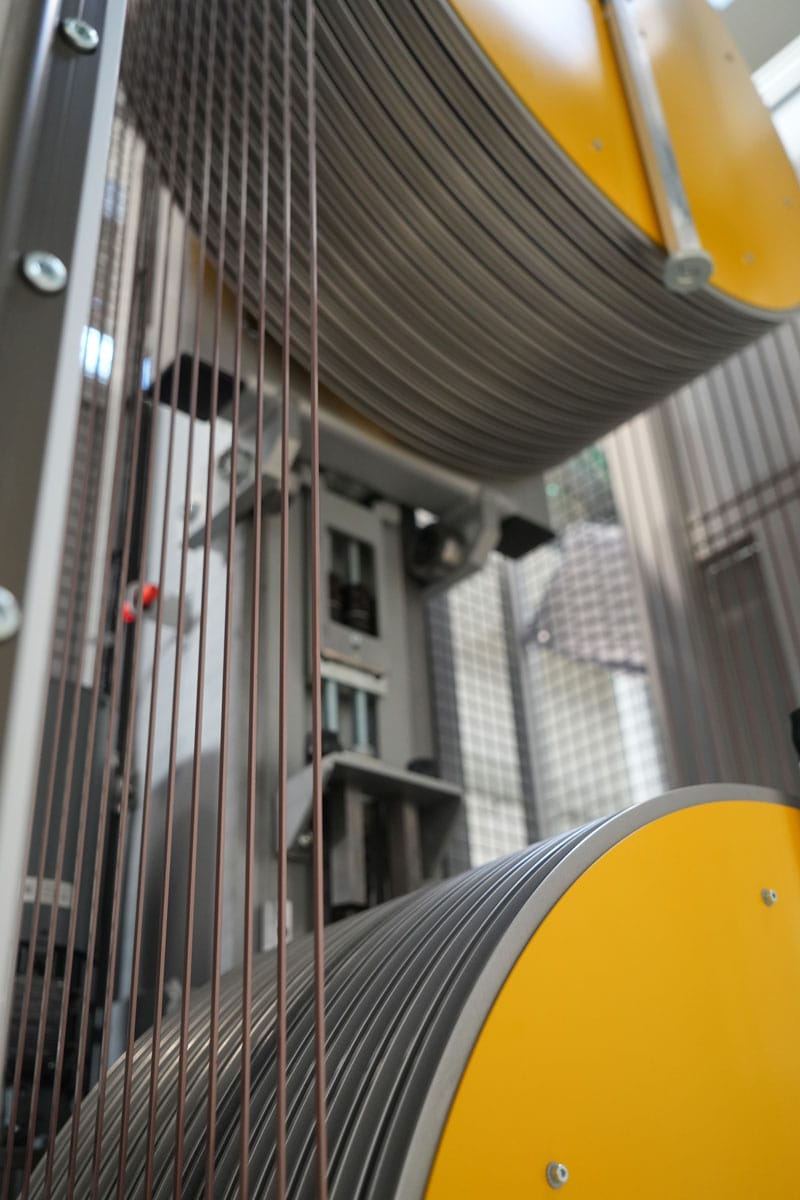
And the difficulties do not end there: even the take-up of the finished insulated product is far from trivial. Layer by layer, the rectangular conductor must be wound in a narrow tolerance range and without twisting.
Why go rectangular when round would be so much easier?
Quite simply: the flat design offers hard engineering advantages:
Rectangular conductors require less installation space, integrate well into automated processing steps, and improve thermal dissipation.
Given the rising energy density in vehicles, these are decisive arguments for improved safety and performance.
Proven and tested solutions
Extrusion for rectangular conductors is not merely a technical niche—it helps enable the next stage of electric mobility. With the right technology partner, even demanding extrusion processes can be executed efficiently and economically.
Extrusion is a game-changer
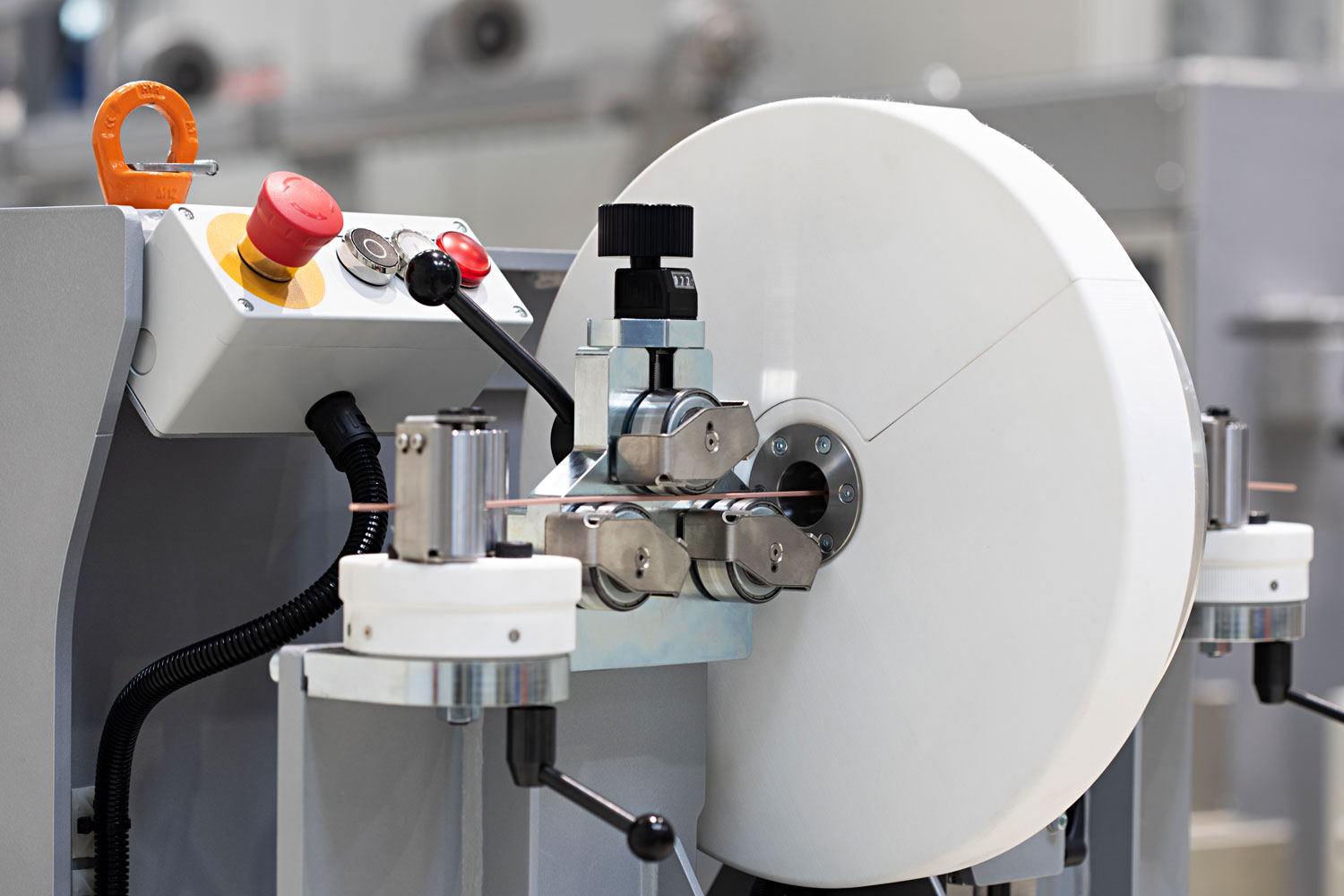
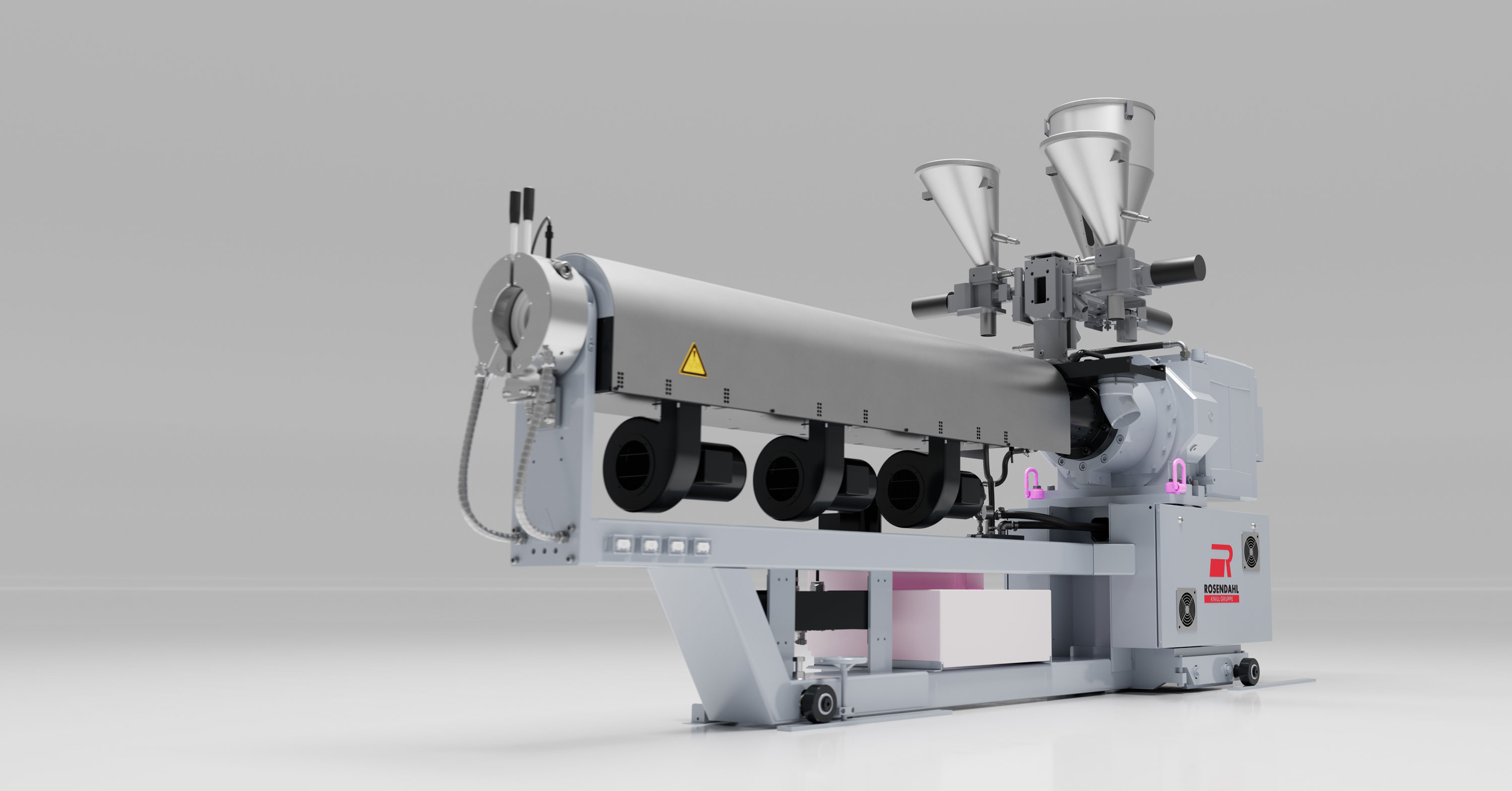
Magnet wire extrusion
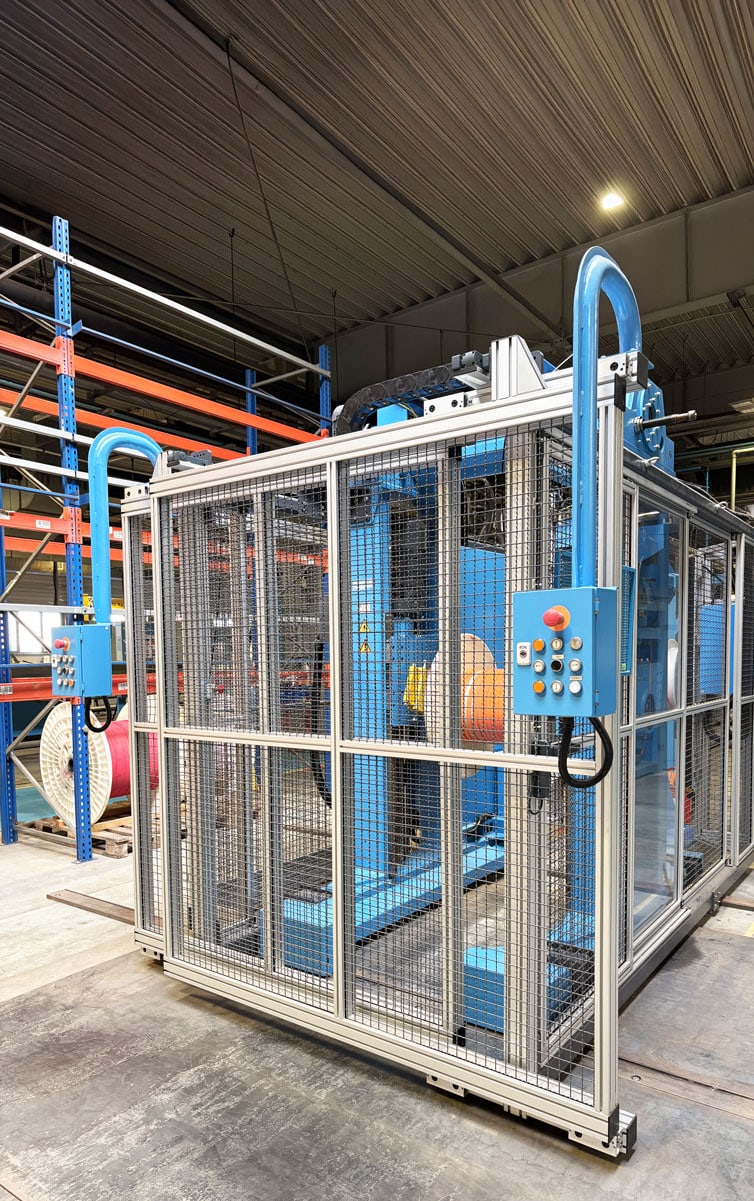
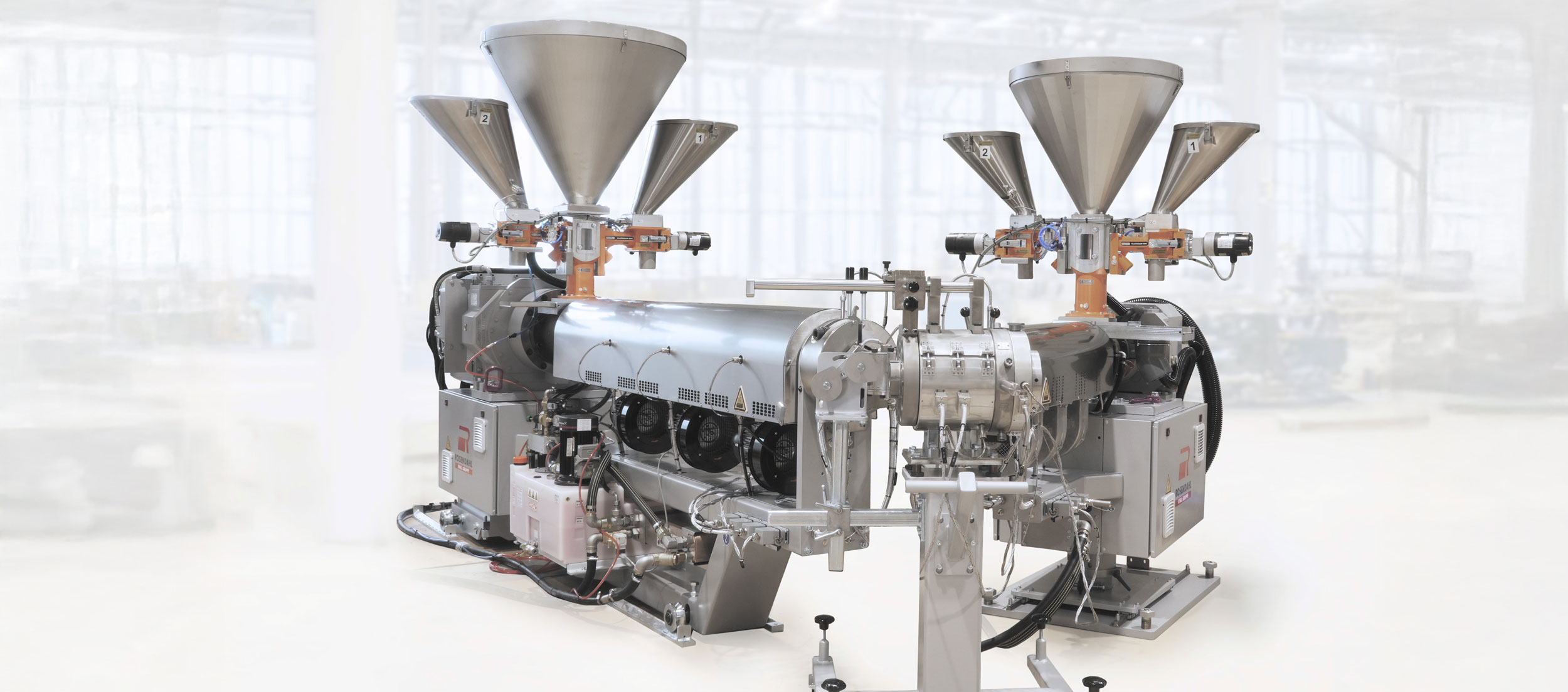
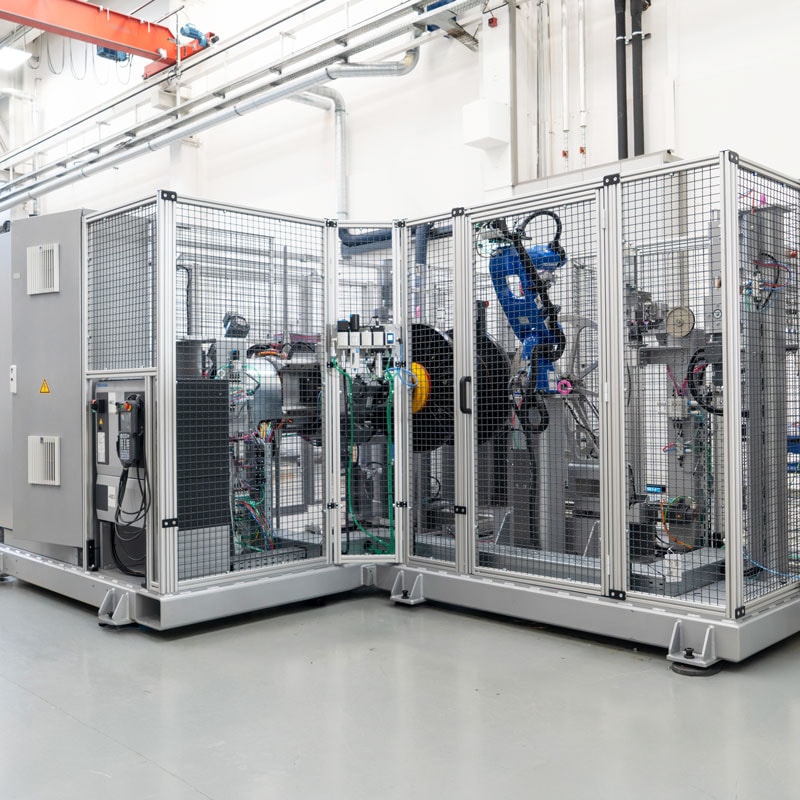
In 2023, Rosendahl became the first supplier worldwide to introduce a turnkey extrusion line for magnet wire. Extruding high-performance polymers such as PEEK, TPI, or others, brings numerous advantages: compared with traditional enamel-coating processes, production speeds can be significantly increased. Scrap rates are also reduced substantially, mainly due to the shorter conductor length required for the extrusion process. The product characteristics speak for themselves: extruded magnet wire offers greater flexibility, improved heat resistance, and superior electrical properties—even with just a single insulation layer. Since its market launch, multiple Rosendahl magnet wire extrusion lines have been installed globally. A dedicated team continues to advance the technology with a focus on automation, continuous production, and alternative materials. One of the latest achievements is a robot-assisted layer winding station, where the end of the wire from one spool is automatically joined to the next by a robotic arm.
Experience makes the difference
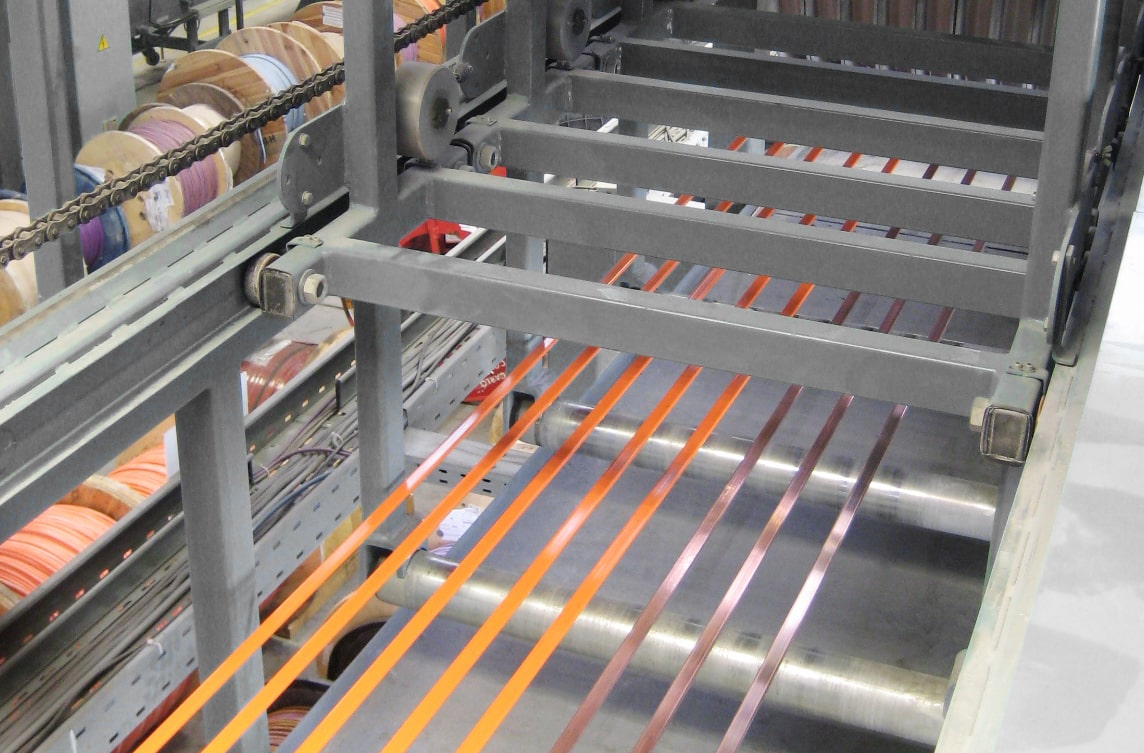
Busbar insulation
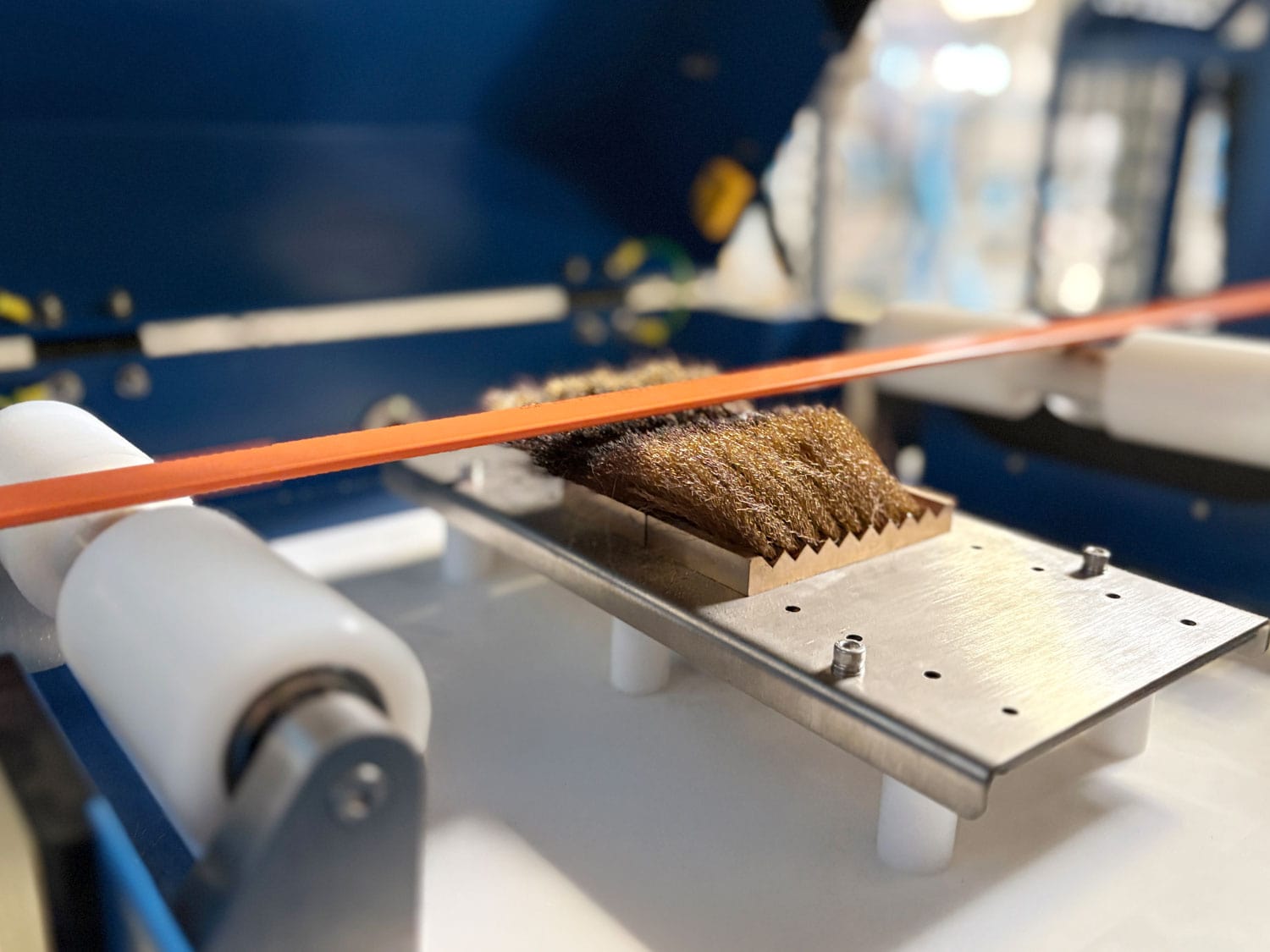
Rosendahl’s first busbar insulation line was commissioned back in 2011. Since then, the Austrian company has accumulated extensive experience in this product segment as well. Product requirements have evolved considerably: the range of busbar dimensions has expanded, and manufacturers are no longer producing only small batches. Increasingly, customers require tailored manufacturing solutions for continuous serial production. This approach minimizes material waste—a crucial cost factor when processing valuable raw materials. Aluminum has become the standard conductor material, although copper busbars are also handled reliably.
lorem ipsum dolor sit
Growing demand for high-performance flat products
Currently, there is growing demand for production equipment in both categories—from established extrusion specialists and from newcomers looking to expand value creation or vertically integrate their business models.
The configuration of each production line depends heavily on the specific product requirements.
With our experience, know-how, and broad machine portfolio, we find the right solution for every requirement. Each completed project contributes valuable experience to new developments. Everyone involved benefits from this.
What’s your requirement?
contact
get in
touch
with us