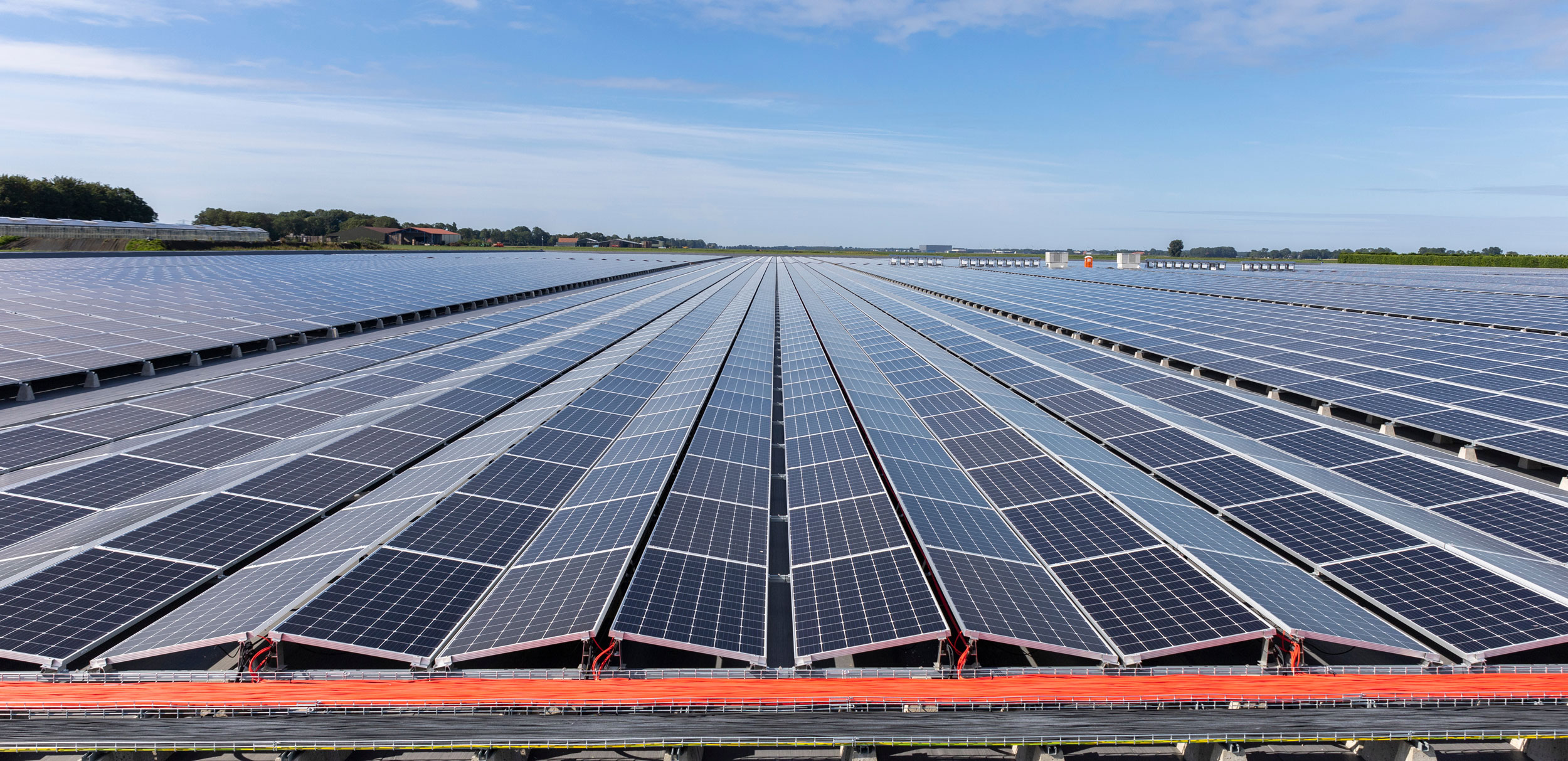
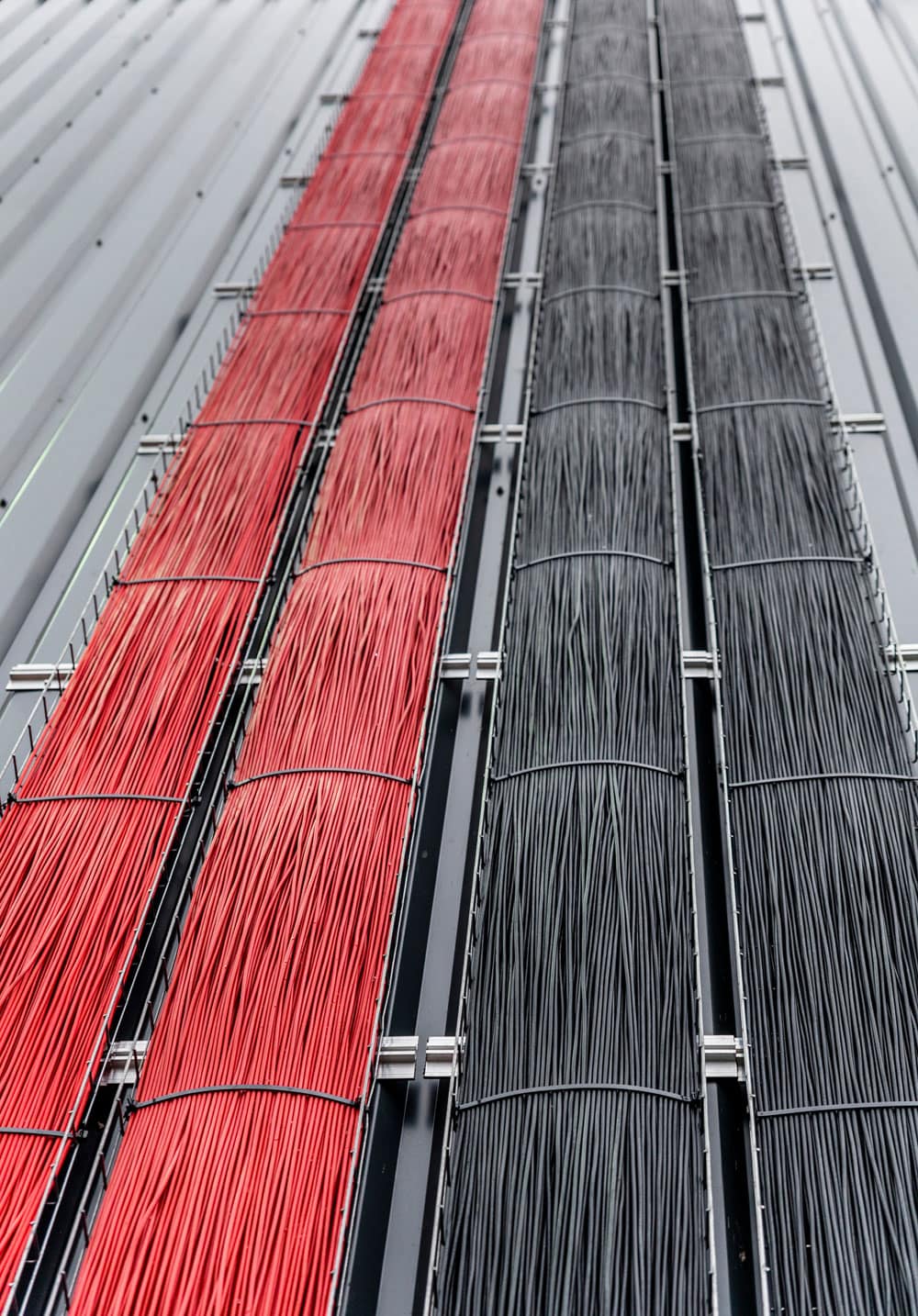
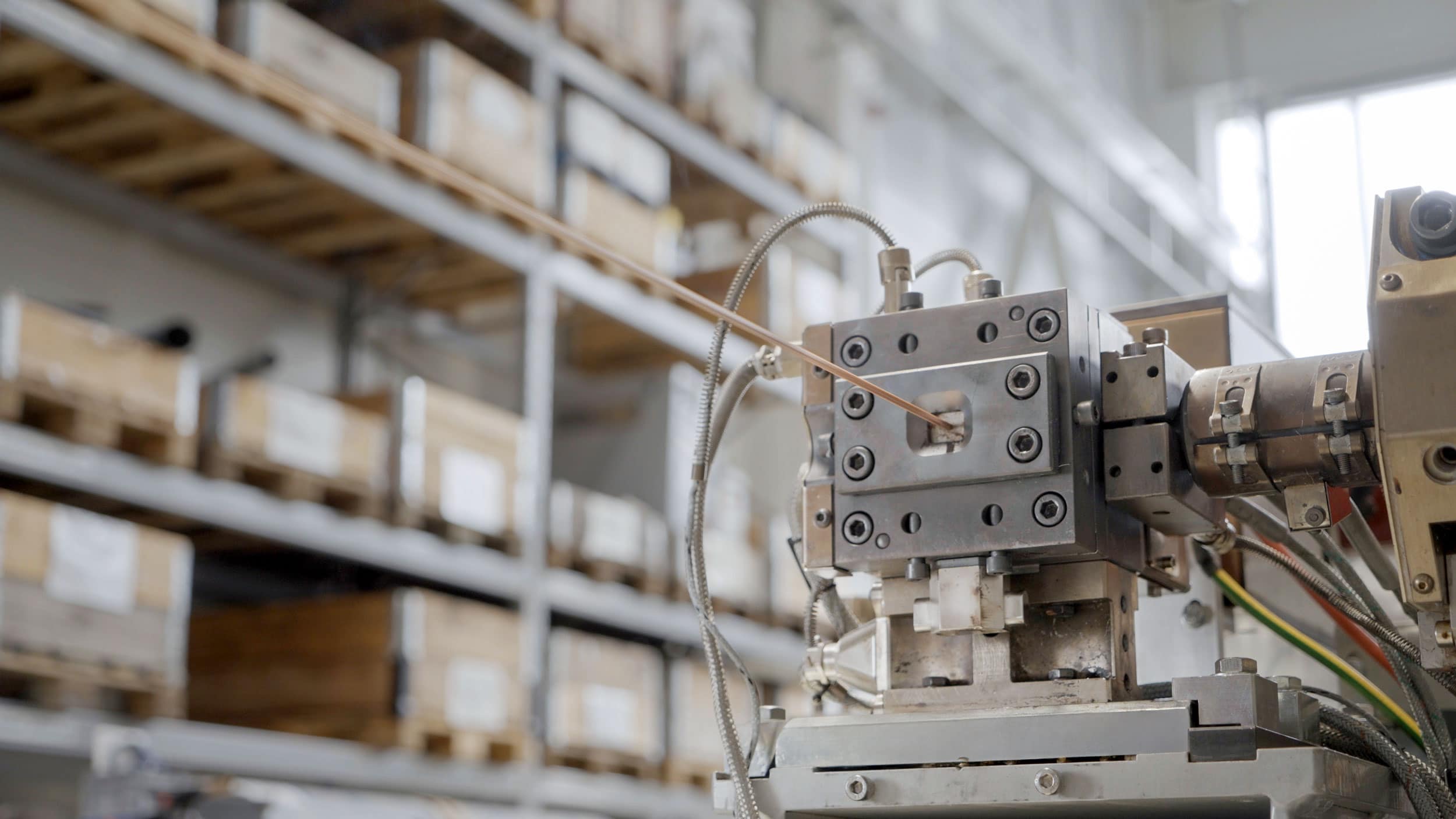
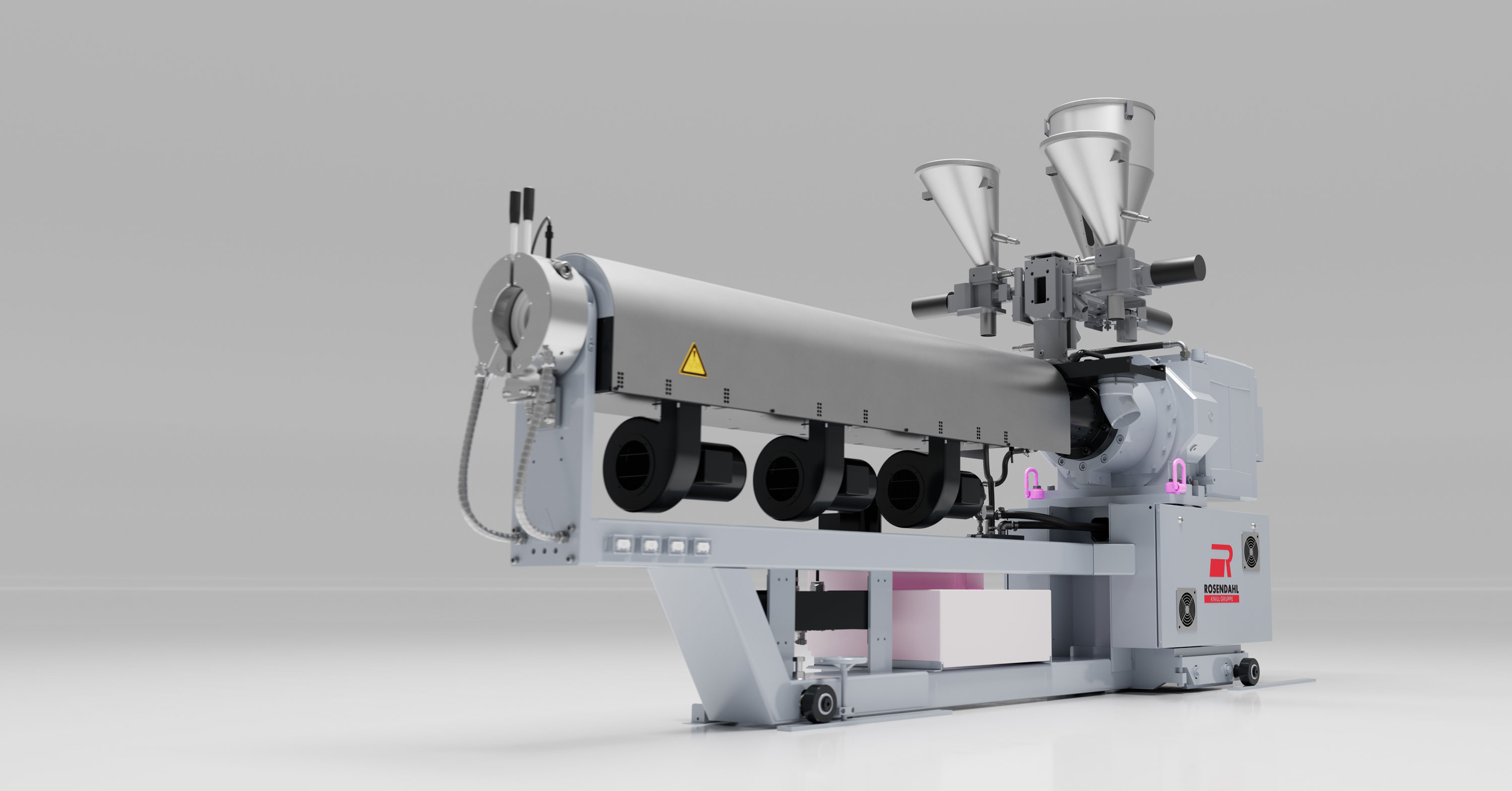
Solar cable performance starts with the production process. Explore the basics of extrusion technology, material selection, cross-linking, quality control, and compliance requirements.
share
The right extrusion technology can make the difference
As global investment in renewable energy continues to accelerate, solar cable manufacturers face increasing pressure to improve efficiency, sustainability, and product quality.
Manufacturers that embrace modern solar cable extrusion technologies can reduce production costs, increase throughput, and deliver the high-performance photovoltaic cables required by today’s renewable energy market.
This article explores some of the basics of solar cable extrusion and explains how modern production technologies help manufacturers achieve higher productivity, consistent quality, and compliance with international standards.
Producing high-quality solar cables starts with a well-designed and optimized extrusion process:
High-quality conductors
Advanced material formulations
Reliable cross-linking technologies
Efficient co-extrusion processes
Real-time quality monitoring
Proper winding systems
Full compliance with international standards
01
Conductor quality is the foundation
For solar cable producers, investing in conductor quality is the first step toward producing reliable photovoltaic (PV) cables. The conductor determines electrical performance, mechanical stability, and long-term reliability.
High-purity tin-coated copper conductors are widely used in solar cable manufacturing because they provide:
Excellent electrical conductivity
Superior corrosion resistance
Consistent electrical performance over decades of operation
02
Material selection determines cable lifetime
Solar cables must withstand some of the harshest operating environments in the electrical industry. Unlike many other cable types, photovoltaic cables are continuously exposed to sunlight, weather, and temperature fluctuations.
To meet these requirements, manufacturers rely on specially formulated insulation and sheathing compounds that offer:
UV resistance
Weather resistance
Flame retardancy
Thermal stability
Long-term durability
Polyolefin-based compounds have become a preferred choice for many solar cable applications due to their excellent balance of performance and processability.
Choosing the right materials is essential for ensuring that solar cables maintain their mechanical and electrical properties throughout their expected service life.
03
Cross-linking creates long-term durability
Cross-linking is one of the most important processes in solar cable production. By creating a stronger polymer network, cross-linking significantly enhances cable performance and longevity:
Temperature resistance
Chemical resistance
Mechanical strength
Long-term aging performance
Common technologies include:
E-beam cross-linking: E-beam cross-linking uses high-energy electron radiation to create a strong polymer structure immediately after extrusion. It delivers excellent thermal and mechanical performance without requiring a separate curing process.
Sioplas cross-linking: Sioplas cross-linking uses a silane-based chemical process followed by moisture curing to strengthen the polymer structure. It is a cost-effective and widely adopted technology for producing durable, standards-compliant solar cables.
Both methods help manufacturers produce solar cables capable of operating under demanding climatic conditions for many years.
04
Co-extrusion technology boosts solar cable production efficiency
As competition increases and production costs rise, cable manufacturers are continuously searching for ways to improve efficiency without compromising quality.
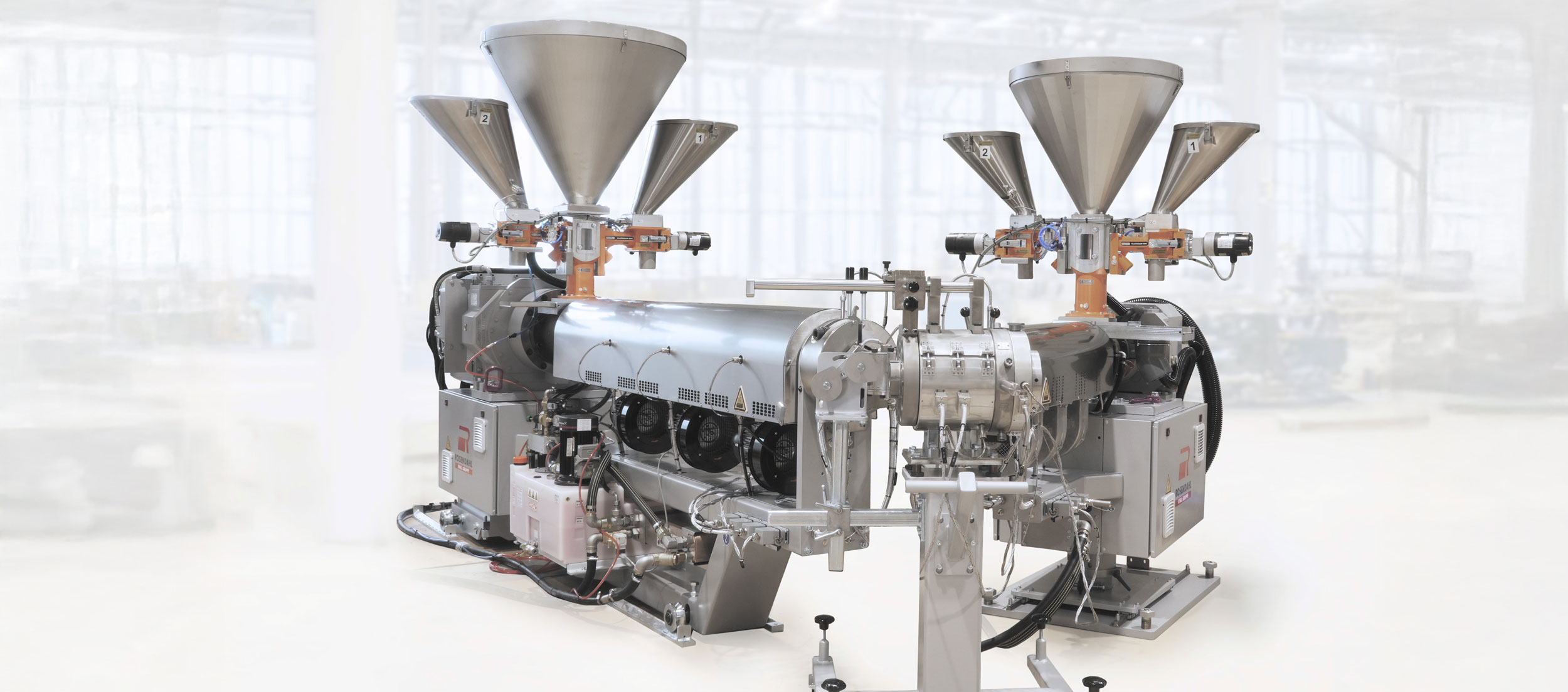
One of the most effective innovations in modern solar cable extrusion is co-extrusion technology.
Traditionally, insulation and jacketing are applied in separate production steps. Co-extrusion combines these operations into a single process, delivering several advantages:
Higher production speeds
Reduced processing time
Lower investment costs
Simplified operation
Reduced production footprint
Improved manufacturing efficiency
05
Quality control starts directly on the production line
Quality assurance cannot be treated as a final inspection step. In modern solar cable manufacturing, quality control already begins during production. Real-time monitoring provides immediate feedback, allowing operators to optimize production parameters and maintain tight process tolerances.
Key benefits include:
Improved process stability
Reduced scrap rates
Increased production efficiency
Consistent cable dimensions
Reliable product performance
06
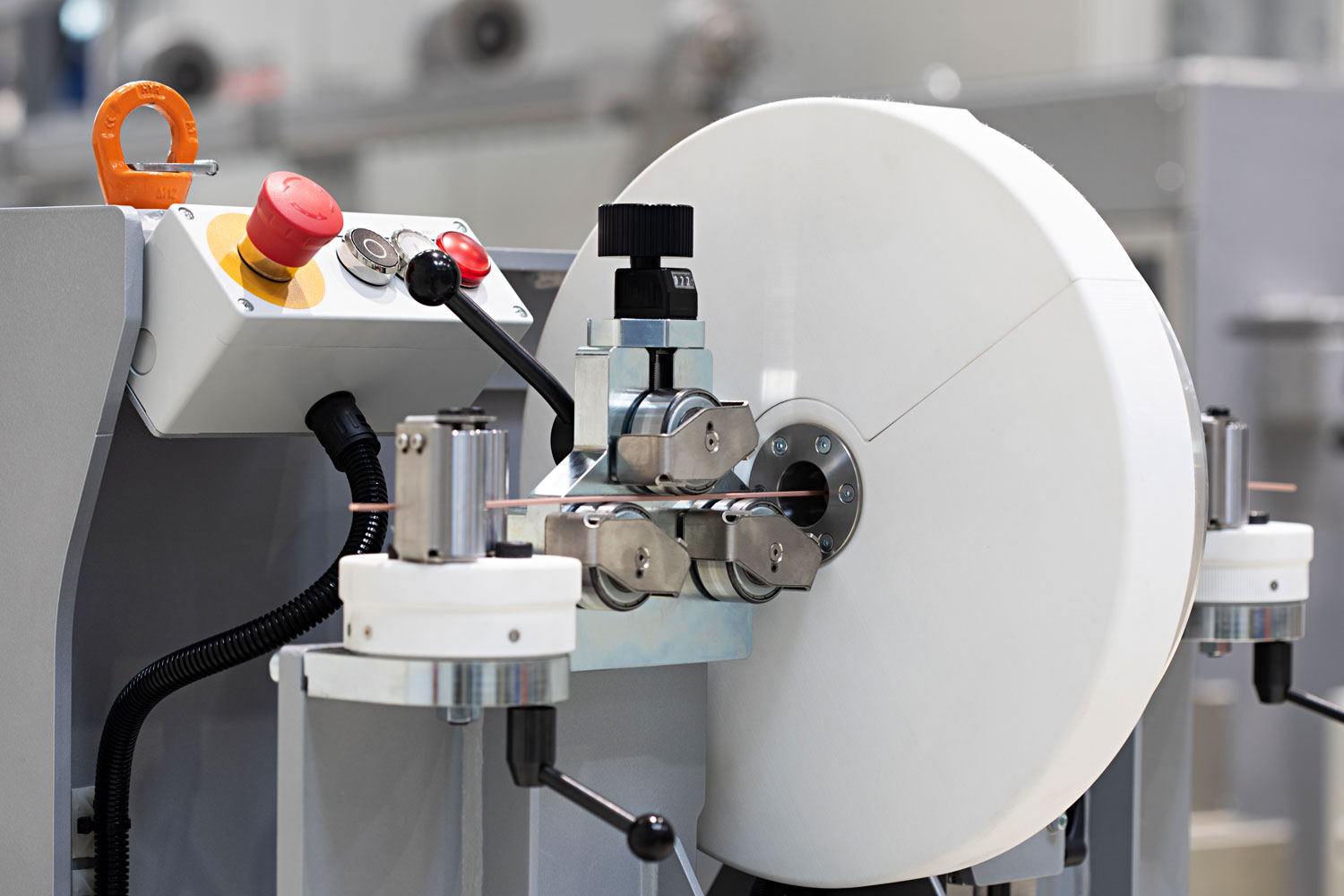
Proper winding protects cable quality
Even a perfectly extruded solar cable can suffer damage if winding and reel handling are not properly managed.
Incorrect winding can introduce:
Surface defects
Mechanical stress
Cable deformation
Handling difficulties during transportation
A well-designed winding system helps preserve cable integrity throughout downstream processing, storage, and logistics. For solar cable manufacturers, winding should be viewed as an integral part of the overall production process rather than a simple finishing operation.
07
Compliance with international standards is non-negotiable
Solar cable manufacturers operate in a highly regulated market where compliance is critical.
Two of the most important standards for photovoltaic cables are:
International standard IEC 62930 This international standard defines requirements for electric cables used in photovoltaic systems, covering aspects such as safety, performance, and environmental resistance.
European standard EN 50618 Widely adopted in Europe, EN 50618 specifies requirements for low-smoke, halogen-free photovoltaic cables intended for long-term outdoor use.
Both standards recognize and approve modern co-extrusion technology.
interested in solar cable co-extrusion ?
Modern co-extrusion technology enables manufacturers to combine insulation and sheathing in a single production step, improving productivity while reducing operational complexity and investment requirements.
We provide complete solar cable extrusion solutions designed to support efficient, high-quality production and long-term manufacturing success.
Contact our experts to learn how advanced solar cable co-extrusion technology can optimize your production line.
Rosendahl Nextrom is a global leader in battery, cable & wire and optical fiber production technologies whose goal is to connect your needs with our technology. Quality, customization, product know-how and close cooperation with our partners are our core values.